Social Media Design Cost: Plan for a System
Social design gets expensive when every post starts from a blank canvas instead of a reusable system with planned variation.
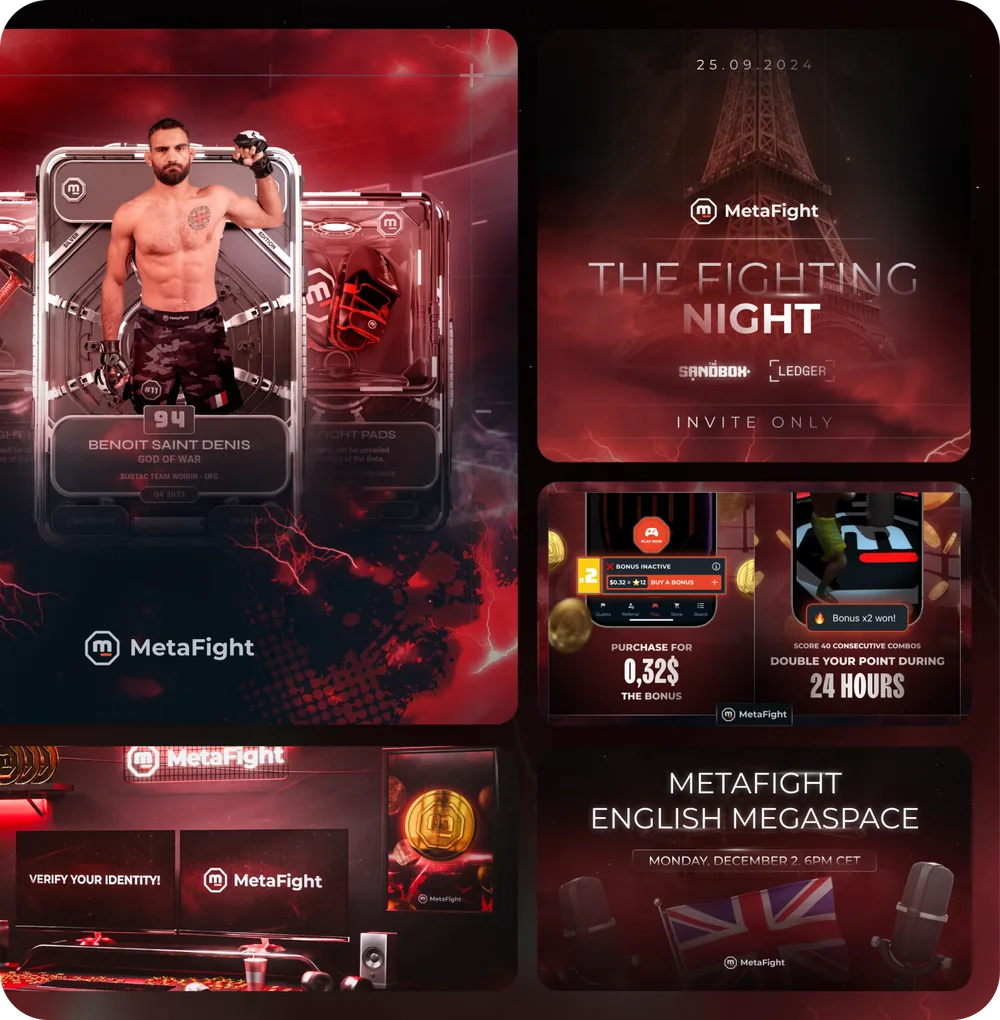
The budget depends on content architecture more than raw post count. A month of adaptations from approved templates is different from a month of original campaign concepts, motion, illustration, localization, and daily changes. Define content families and the level of originality each needs.
Scope a social design system
| Content family | Reusable foundation | Variable elements |
|---|---|---|
| Educational carousel | Cover, grid, type hierarchy, end card | Topic, copy, diagrams, page count |
| Product feature | Product framing and benefit hierarchy | Screenshot, claim, CTA, launch context |
| Promotion | Offer structure and legal space | Product, message, date, channel |
| Testimonial | Quote hierarchy and attribution rules | Approved quote, person, crop |
| Short-form motion | Intro, captions, transitions, end frame | Footage, script, timing, audio |
| Community post | Brand elements and accessibility rules | Event, image, platform behavior |
Templates reduce repeated layout decisions, but they are not a reason to make every post identical. Define controlled variation through image crops, composition options, color combinations, and type scales. Keep the recognizable system while matching the message.
Platform adaptations are not always resizes
Different placements change safe areas, cropping, text density, motion duration, and whether viewers encounter sound. Specify feed, story, vertical video, professional network, or other required placements. A wide composition may need to be rebuilt for vertical viewing rather than centered and cropped.
Separate design from content operations
Clarify who owns copy, content calendar, community management, scheduling, photography, editing, approvals, and performance decisions. Design production can package approved messages; it should not inherit every marketing responsibility through an ambiguous “social media” line.
Our e-commerce design service covers recurring campaign production, and the guide to monthly ad creative planning addresses paid testing rather than organic publishing.
Forecast from content families
Review planned campaigns and assign each asset as original concept, adaptation, or motion. Count languages and ratios separately, record approval owners, and lock copy before large batches. A subscription can fit continuous production through a queue; a single launch may fit a project. Compare the workflow on how it works before treating all monthly volume as parallel output.
Start with the real scope
Provide the content calendar or campaign priorities, approved copy, platform and placement list, brand files, image or footage sources, content families, localization needs, and named approvers. Mark each item as a new concept, master, adaptation, or motion request. Define who owns scheduling, community management, copy, performance analysis, and legal review. Acceptance should cover the exact ratios and file limits, legible text at mobile size, captions or alternatives where relevant, editable masters, and a clear naming system for versions.
Establish a content freeze before batching adaptations. If the offer or headline changes after every size is produced, the team repeats low-value work. Approve one master in its most demanding placement, then extend it to related formats. Keep an exception route for urgent corrections, but record which planned request moves back in the queue when priority changes.
Review the system periodically using actual published examples. Identify formats that are hard to populate, messages that repeatedly overflow, and patterns users confuse with each other. Update the master rules instead of repairing the same defect post by post. Archive retired templates so distributed teams cannot continue producing from them, and keep the current set small enough that requesters can choose the correct family without a designer decoding the library.
A useful comparison accounts for platforms, aspect ratios, content families, custom concepts, templates, motion, copy, localization, accessibility, and approvals. If these inputs are missing, a low headline price or broad promise does not describe the same work.
Write down the deliverable, intended use, approval owner, required file formats, and what a successful handoff contains. This turns an uncertain purchase into a brief that different providers can answer consistently.
Compare the operating models
| Model | Best fit | Main constraint |
|---|---|---|
| Self-serve tool | Controlled, repeatable internal work | Your team supplies time and judgment |
| Freelancer | Defined specialist project | Availability and range depend on one person |
| Agency | Strategy-led engagement | Project cycles and scope changes |
| In-house | Stable full-time workload | Fixed capacity and one hiring profile |
| Our subscription | Recurring, varied design demand | Work moves through active request capacity |
A project model can be the right answer for isolated work. Our subscription is the fourth route for recurring demand: one request queue, a dedicated project manager, unlimited revisions, and source file ownership.
How our offer addresses the pain point
Requests are prioritized in one queue instead of being quoted separately. Prestige and Elite process one active request at a time; Commando supports up to two in parallel. Plans can change as volume changes, and standard plans can be paused or canceled at any time.
Our team includes more than 30 designers and average delivery is 48 hours. Published deliverable ranges vary by work type, so the pricing page is the right place to check scope and capacity. See our work for real delivery examples.
Frequently asked questions
Who is this model best for?
It fits teams with recurring design demand, clear approval ownership, and enough requests to use a continuing production queue.
What should I confirm before buying?
Confirm supported deliverables, active capacity, turnaround language, revision rules, communication, cancellation, and source file ownership in writing.
What proof does Design Scaling publish?
Client retention is 93 percent and satisfaction is 4.8. Every plan includes unlimited revisions, a dedicated project manager, and ownership of source files.
When should I choose another model?
Choose a freelancer for isolated specialist work, an agency for strategic transformation, or an in-house designer when stable full-time demand requires daily internal context.
The next step
Compare your recent request volume with our plans and review how the queue works. If the fit is close, book a call to scope the queue without inventing a delivery promise.
Continue with the next related guide or another connected topic.
Let's cost your design volume.
Two numbers decide whether this beats what you already do: how much design you need per month, and what it costs you today. Send both and we will run the comparison with you.
Get my volume costed