Packaging Design Cost: Scope Beyond the Label
Packaging design is not only a front label. Structure, panels, mandatory copy, print preparation, and product variants shape the work.
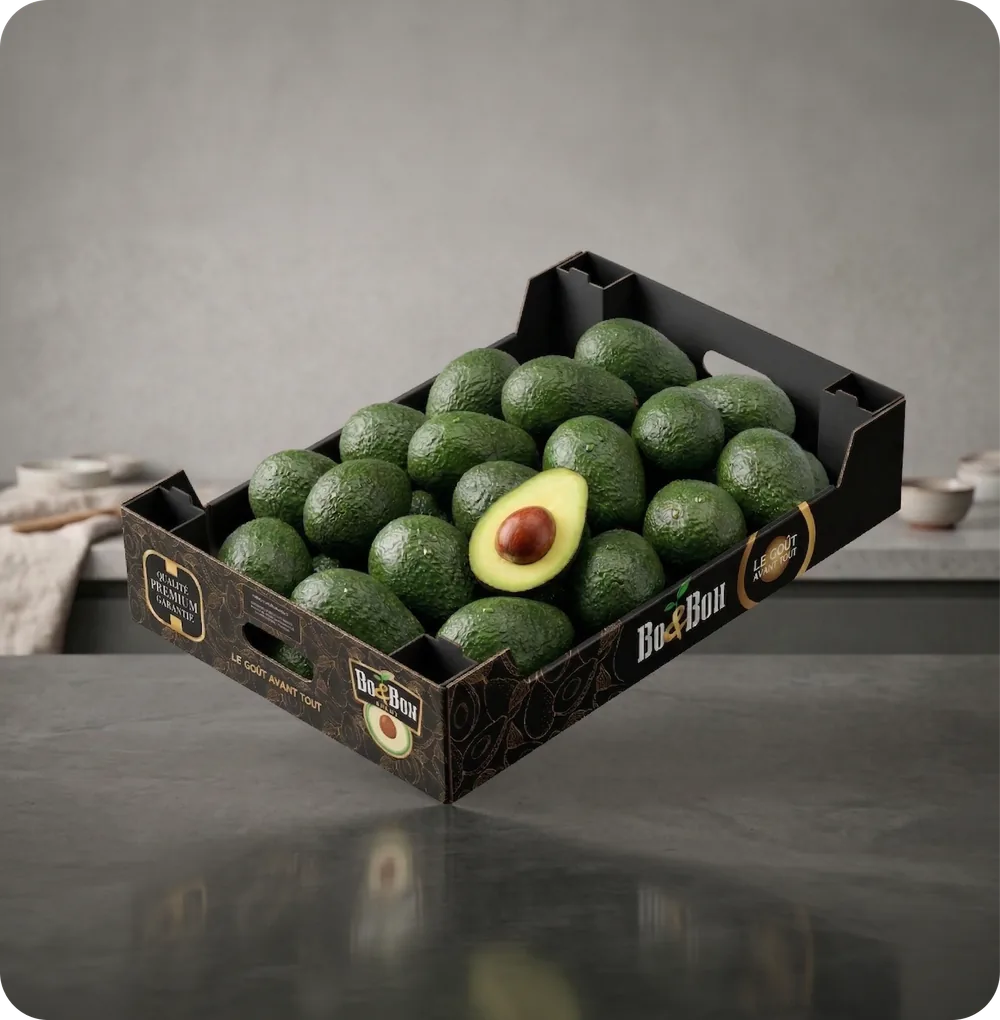
Packaging connects brand, product information, regulation, manufacturing, and retail conditions. A beautiful flat layout can still fail if it ignores the supplied dieline, quiet areas, seams, material, finishes, barcode placement, or how panels appear together on shelf.
Define the production object
| Input | Owner | Design consequence |
|---|---|---|
| Final dieline | Printer or manufacturer | Establishes panels, folds, cuts, and tolerances |
| Mandatory copy | Client and relevant reviewer | Reserves space and hierarchy |
| Product architecture | Brand owner | Controls naming, flavor, size, and variant logic |
| Print specification | Production supplier | Controls color, material, ink, and finish preparation |
| Imagery and claims | Client | Requires approved assets and accurate wording |
| Proofing route | Client and printer | Defines how production errors are caught |
The designer should work from the current supplier template, not redraw a structural file from a photo. Structural engineering and graphic packaging are separate scopes unless explicitly combined.
Variants need a system
List every SKU and identify what changes: product name, color, image, ingredients, language, weight, claims, or barcode. Approve one representative pack and the variant rules before adapting the family. A color swap alone may not create enough distinction or accessibility, so hierarchy should not rely on hue only.
Mockups and print files serve different purposes
Mockups help stakeholders judge presence and panel relationships. Production artwork contains technical layers, marks, bleeds, and supplier requirements. Confirm which source files, print-ready exports, and visualization assets are included. Ownership of artwork also does not replace licenses for photography, fonts, or stock elements.
Connect packaging to the wider brand identity scope and to e-commerce design support when product pages and campaign assets must mirror the pack.
Compare proposals against manufacturing readiness
Give providers the same dieline, SKU list, approved copy status, finishes, proofing responsibilities, and handoff checklist. Ask who communicates with the printer and who signs off technical content. A recurring queue can support extensions after the master is stable; unresolved structure or regulation requires the appropriate specialist before visual production begins.
Start with the real scope
Supply the manufacturer’s current dieline, material and print specifications, mandatory copy approved by the responsible reviewer, barcode assets, product hierarchy, SKU matrix, languages, finishes, and proofing contact. Mark copy that is provisional. Define whether structural design, naming, claims, photography, illustration, mockups, printer liaison, and physical proofs are included. Acceptance should cover the correct dieline revision, panel orientation, bleed and safe areas, variant accuracy, linked asset licenses, editable artwork, printer-ready exports, and approval by the party responsible for production compliance.
Build a change-control rule for the SKU family. A late ingredient, weight, language, or legal change may affect several panels and every variant. Record which master carries shared content and which files contain product-specific content. This reduces the risk of correcting one package while leaving the same error in the rest of the range.
At final review, separate design approval from print approval. The brand owner checks hierarchy, consistency, and product distinction; the responsible content owner checks every supplied claim and mandatory line; the printer checks technical preparation against its process. Physical or contract proofs, when part of the production route, reveal scale, material, finish, and panel interactions that a screen mockup cannot settle. Record approvals by dieline revision so an obsolete structure does not return later.
A useful comparison accounts for dielines, product hierarchy, legal copy, barcodes, printer specifications, finishes, proofing, variants, and campaign extensions. If these inputs are missing, a low headline price or broad promise does not describe the same work.
Write down the deliverable, intended use, approval owner, required file formats, and what a successful handoff contains. This turns an uncertain purchase into a brief that different providers can answer consistently.
Compare the operating models
| Model | Best fit | Main constraint |
|---|---|---|
| Self-serve tool | Controlled, repeatable internal work | Your team supplies time and judgment |
| Freelancer | Defined specialist project | Availability and range depend on one person |
| Agency | Strategy-led engagement | Project cycles and scope changes |
| In-house | Stable full-time workload | Fixed capacity and one hiring profile |
| Our subscription | Recurring, varied design demand | Work moves through active request capacity |
A project model can be the right answer for isolated work. Our subscription is the fourth route for recurring demand: one request queue, a dedicated project manager, unlimited revisions, and source file ownership.
How our offer addresses the pain point
Requests are prioritized in one queue instead of being quoted separately. Prestige and Elite process one active request at a time; Commando supports up to two in parallel. Plans can change as volume changes, and standard plans can be paused or canceled at any time.
Our team includes more than 30 designers and average delivery is 48 hours. Published deliverable ranges vary by work type, so the pricing page is the right place to check scope and capacity. See our work for real delivery examples.
Frequently asked questions
Who is this model best for?
It fits teams with recurring design demand, clear approval ownership, and enough requests to use a continuing production queue.
What should I confirm before buying?
Confirm supported deliverables, active capacity, turnaround language, revision rules, communication, cancellation, and source file ownership in writing.
What proof does Design Scaling publish?
Client retention is 93 percent and satisfaction is 4.8. Every plan includes unlimited revisions, a dedicated project manager, and ownership of source files.
When should I choose another model?
Choose a freelancer for isolated specialist work, an agency for strategic transformation, or an in-house designer when stable full-time demand requires daily internal context.
The next step
Compare your recent request volume with our plans and review how the queue works. If the fit is close, book a call to scope the queue without inventing a delivery promise.
Continue with the next related guide or another connected topic.
Let's cost your design volume.
Two numbers decide whether this beats what you already do: how much design you need per month, and what it costs you today. Send both and we will run the comparison with you.
Get my volume costed