Presentation Design Cost: Deck Scope Explained
A presentation quote is meaningful only when the work distinguishes story development, template creation, and visual polish.
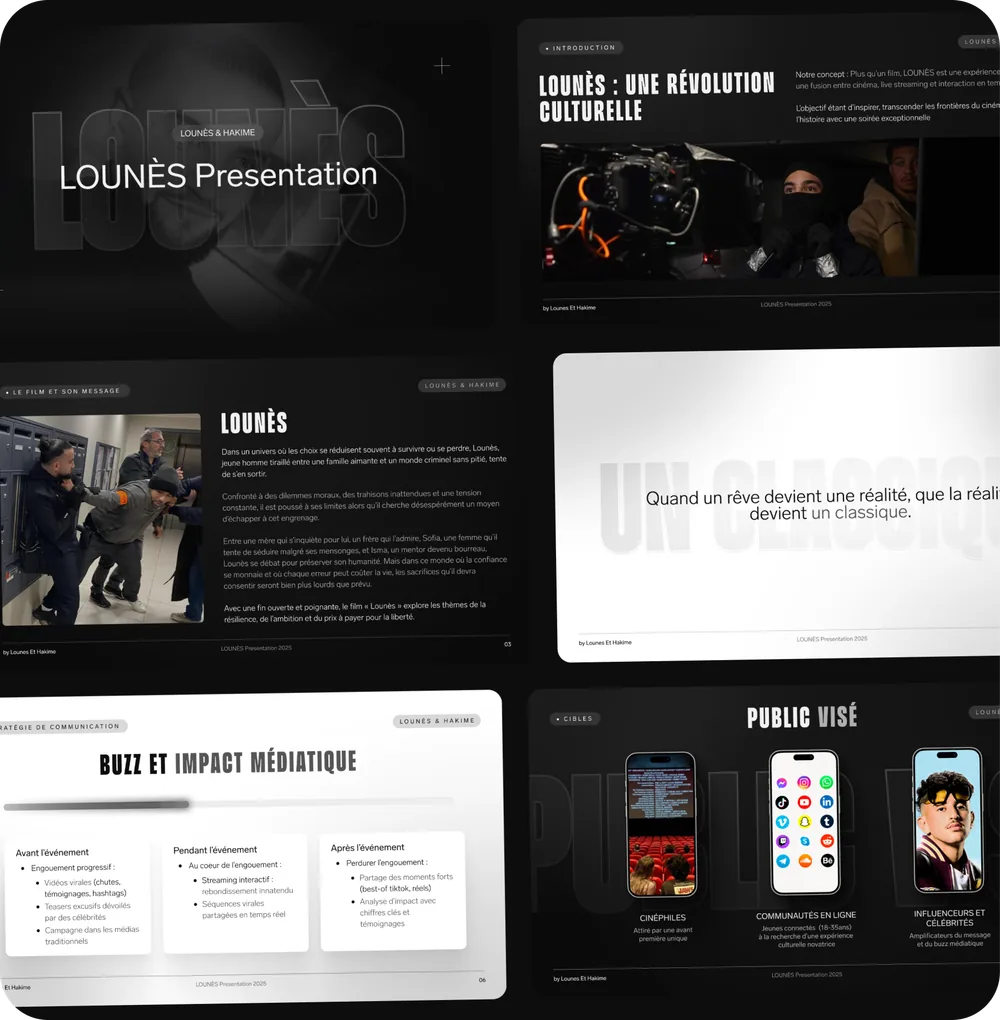
Presentation design ranges from cleaning an approved deck to building a narrative system that different teams can reuse. The visible slide count does not reveal whether content is final, whether charts need reconstruction, or whether the designer must decide what the audience should understand first.
Identify which presentation job you are buying
| Job | Starting point | Main output |
|---|---|---|
| Visual polish | Approved copy and order | Consistent, readable final slides |
| Story restructuring | Raw content and objective | Revised sequence and hierarchy |
| Template creation | Repeated deck needs | Masters, layouts, styles, usage rules |
| Data visualization | Approved data and sources | Accurate charts and explanatory hierarchy |
| Adaptation | Approved master deck | Audience, language, or format variants |
Content readiness controls rework
Mark each slide as final, editable, or placeholder. Name the owner of claims and data. Designers can improve hierarchy, but they should not silently validate business facts. Late changes to numbers or narrative can invalidate charts, pagination, and transitions.
Editable does not automatically mean usable
A good handoff uses actual master layouts, theme colors, text styles, editable charts where required, and clearly licensed imagery. Test whether another team member can add a slide without breaking the system. Confirm PowerPoint, Google Slides, Keynote, PDF, or other required formats before work starts.
For ongoing sales, reporting, and training decks, a presentation design subscription can reduce repeated setup. Our agency design service also addresses teams producing decks across several accounts.
Create an efficient review path
Approve the storyline before detailed styling, then review a small set of representative slides before rolling the direction across the deck. Consolidate comments by slide and separate content corrections from visual preferences. This keeps the designer from polishing material that an approver later removes. Review the request workflow if presentation work will share capacity with other asset types.
Start with the real scope
Provide the audience, meeting context, presenter, allotted format, approved source content, required software, brand master, and delivery date. Label every number and claim with its business owner and source location. Define whether the designer may edit copy, recommend a story, rebuild charts, source images, or only apply visual polish. Acceptance should include the presentation file, PDF if needed, linked or embedded assets, working masters, editable charts where agreed, and a final display check in the software and environment used to present.
Select representative slides early: a title, narrative slide, dense content slide, chart, proof slide, and closing action. Approving these patterns before full rollout tests the system against real content. It also makes feedback more precise: stakeholders can challenge the hierarchy once instead of repeating the same comment across a finished deck.
Review the finished deck in sequence and in presentation mode. Check whether the speaker can move through the argument without explaining missing links, whether charts name their measures and periods, whether text remains readable at display size, and whether the requested action is clear. Then inspect the masters and editing behavior. A deck that looks correct only as a PDF may fail the recurring workflow that justified an editable presentation in the first place.
Test speaker notes and embedded media too when they form part of delivery.
A useful comparison accounts for content readiness, slide structure, data visualization, master templates, imagery, animation, approvers, formats, and revisions. If these inputs are missing, a low headline price or broad promise does not describe the same work.
Write down the deliverable, intended use, approval owner, required file formats, and what a successful handoff contains. This turns an uncertain purchase into a brief that different providers can answer consistently.
Compare quotes on the same finish line
| Proposal item | Question to resolve |
|---|---|
| Narrative | Is the supplied order fixed, or will the designer restructure it? |
| Content | Who edits copy and who approves every claim? |
| Visual direction | Is an existing master applied or a new system created? |
| Charts | Are final editable data and sources supplied? |
| Imagery | Are selection, retouching, and licenses included? |
| Delivery | Which software files, PDF exports, masters, and notes are required? |
| Review | Which checkpoints and types of change are included? |
A low quote may cover layout cleanup from final content; a broader quote may include story consulting, new masters, illustration, data visualization, or many audience versions. Normalize those inclusions before judging cost. For recurring deck volume, compare the project with a presentation design subscription; the latter organizes ongoing work through active request capacity rather than pricing one finite deck.
Design Scaling publishes presentation scope and delivery language on the pricing page. Every plan includes a dedicated project manager, revisions, and source-file ownership, while request volume and active capacity depend on the plan. Those facts help compare the operating model, but your quote comparison still needs the content and handoff boundaries above.
Frequently asked questions
Does slide count determine presentation design cost?
Slide count is one workload indicator, but it does not reveal content readiness, story work, chart reconstruction, original assets, animation, or masters. Compare those responsibilities alongside the number of slides.
Is copywriting included in presentation design?
Only when the proposal says so. Distinguish proofreading, tightening supplied copy, restructuring a narrative, and writing new claims; each has a different owner and approval risk.
What files should the handoff contain?
Request the agreed editable presentation format, functional masters, licensed or supplied assets, editable charts where required, and a PDF reference. Test the file on the software and fonts your team will use.
When should a specialist project replace recurring capacity?
Use a defined project when one high-stakes presentation needs a dedicated strategic cycle and fixed delivery team. Recurring capacity fits a continuing mix of decks, updates, and adaptations.
The next step
Choose one representative deck, mark content ownership and required finish, and use that specification to compare providers. If the workload repeats, review how our production queue works and book a scoping call with the deck types and dependencies ready.
Continue with the next related guide or another connected topic.
Let's cost your design volume.
Two numbers decide whether this beats what you already do: how much design you need per month, and what it costs you today. Send both and we will run the comparison with you.
Get my volume costed